0
My Cart - 0 items
- No products in the cart.

Understanding psychological triggers in gambling behavior
Emotion plays a crucial role in gambling behavior. The thrill of placing a bet often induces feelings of excitement and anticipation, which can lead to impulsive decisions. Gamblers frequently chase emotions like happiness or relief, seeking to replicate the euphoric highs associated with winning. This emotional cycle can create a powerful dependency, making it challenging for individuals to step back and assess their gambling habits rationally. For those interested in unique experiences, Ice Fishing United Kingdom offers a fascinating alternative to traditional gaming.
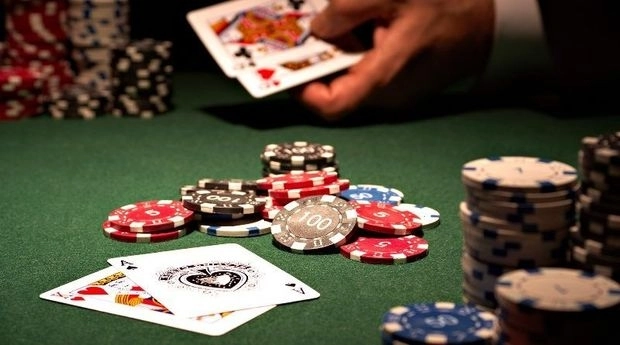
Moreover, negative emotions can trigger gambling as a coping mechanism. Individuals may gamble to escape stress, anxiety, or depression, believing that a win could alleviate their problems. Unfortunately, this strategy often leads to a vicious cycle where gambling exacerbates emotional distress, leading to further gambling as a form of escape.
Cognitive biases are systematic patterns of deviation from norm or rationality in judgment. In gambling, biases like the illusion of control can lead individuals to overestimate their chances of winning. Gamblers may believe that their skill or strategy can influence outcomes, which can be detrimental. Such beliefs often result in prolonged gambling sessions and increased financial losses.
Additionally, the gambler’s fallacy, the belief that past events influence future outcomes, can further entrench negative gambling behaviors. For instance, if a player has experienced a series of losses, they may feel that a win is “due,” leading them to wager more aggressively in hopes of an eventual payoff. This mindset can create a false sense of security and prolong unhealthy gambling habits.
The brain’s reward system is fundamentally linked to gambling behavior. When a player wins, the brain releases dopamine, creating a feeling of pleasure that reinforces the behavior. This chemical reaction can lead to a cycle of craving and reward, making it hard to resist the urge to gamble. Each win, regardless of size, can act as a trigger that encourages further gambling.
Moreover, the way games are designed often capitalizes on this reward system. Features like near-misses, where players almost win, can amplify excitement and spur continued play. This design makes it difficult for players to recognize when they should stop, as they are constantly lured back in by the possibility of a big win.
Social factors significantly influence gambling behavior. Peer pressure can encourage individuals to gamble, especially in settings where it is seen as a social norm or rite of passage. Individuals may feel compelled to participate in gambling activities to fit in or gain acceptance among friends, further complicating their relationship with gambling.
Additionally, the portrayal of gambling in popular culture can shape perceptions and expectations. Movies and television often glamorize gambling, portraying it as an easy way to attain wealth and excitement. Such representations can create unrealistic expectations and encourage novice gamblers to engage without understanding the inherent risks involved.

Understanding the psychological triggers in gambling behavior is crucial for promoting responsible gambling. Online platforms, like Ice Fishing Live, emphasize the importance of awareness and self-regulation, providing resources to help players manage their gambling habits effectively. Such initiatives are essential in fostering a safe gaming environment where individuals can enjoy the experience without falling into harmful patterns.
Through education and support, players can learn to recognize their emotional triggers and cognitive biases. Armed with this knowledge, individuals can engage in gambling activities more responsibly, ensuring that it remains a fun and entertaining hobby rather than a source of distress. As awareness grows, so does the potential for healthier gaming habits across the board.